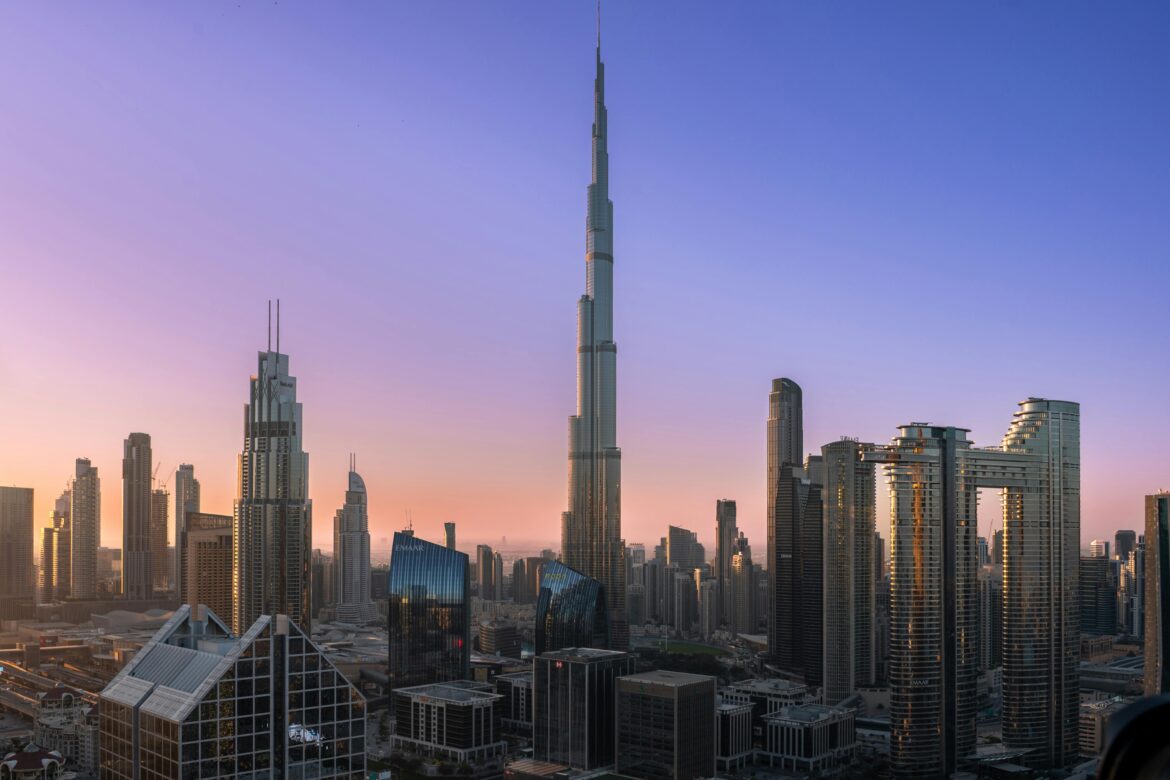
The UAE announced its withdrawal from OPEC in the middle of the Strait of Hormuz crisis. This surprise move has raised serious questions about the future of the oil cartel and the UAE’s shifting priorities. In this article, we explore why the UAE decided to leave, what it means for OPEC, and how this decision could affect global oil markets and everyday life in Europe.
What is OPEC?
OPEC (Organization of the Petroleum Exporting Countries) is a permanent intergovernmental organization founded in 1960 in Baghdad by five founding members: Iran, Iraq, Kuwait, Saudi Arabia, and Venezuela. Its main goal is to coordinate petroleum policies among member countries to stabilize oil markets, secure fair prices for producers, and ensure a steady supply for consumers. As of April 29, 2026, OPEC has 11 members and controls roughly 30% of global oil production and about 40% of total oil exports. Its members, include: Algeria, Republic of the Congo, Equatorial Guinea, Gabon, Iran, Iraq, Kuwait, Libya, Nigeria, Saudi Arabia, and Venezuela.
Before the escalation of the war with Iran, the UAE was producing around 3.5 million barrels per day (bpd), making it the fourth-largest OPEC producer behind Saudi Arabia, Iraq, and Iran.
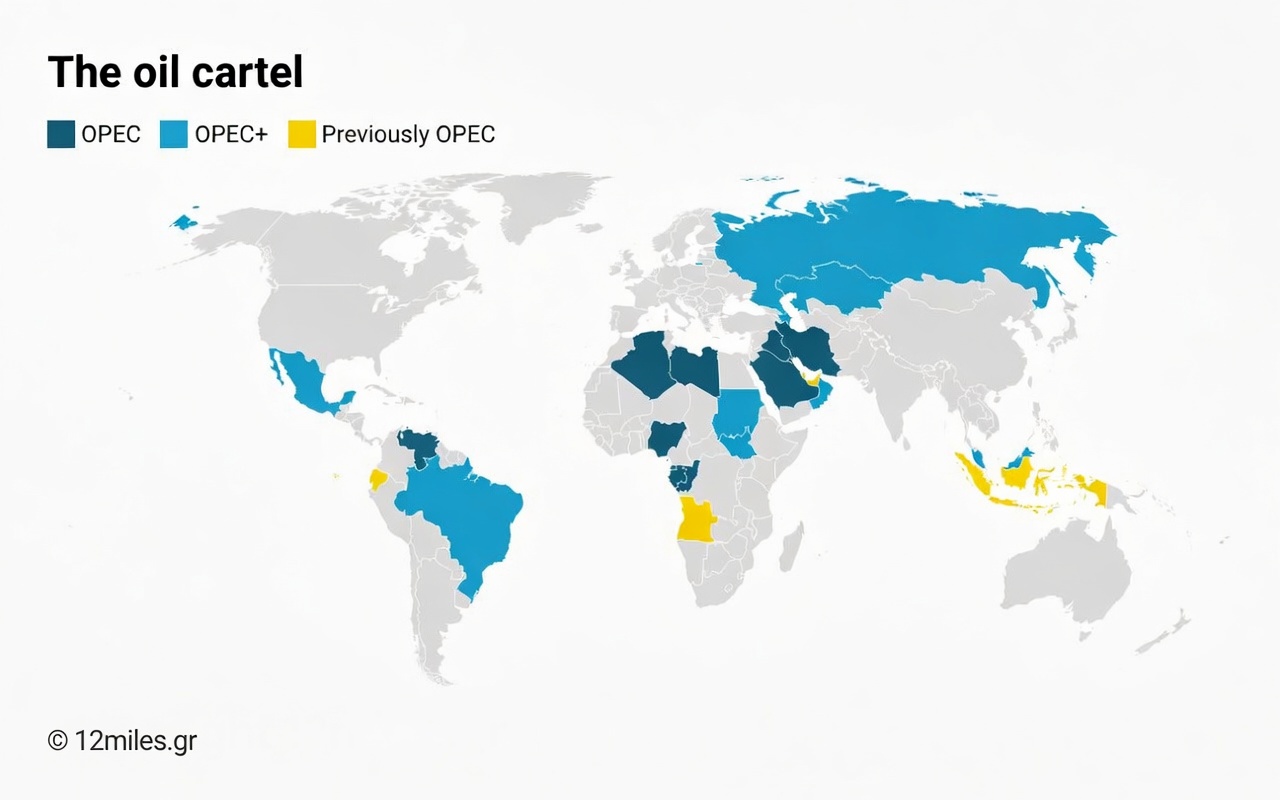
Since 2016, OPEC has also cooperated with Russia, Azerbaijan, Kazakhstan, Bahrain, Brunei, Malaysia, Mexico, Oman, South Sudan, and Sudan through its OPEC+ framework.
UAE’s objectives and its relations with Saudi Arabia
The Emirates have been one of the countries most affected by the recent conflict in the Middle East. Iranian drone and ballistic missile attacks on infrastructure, combined with the closure of the Strait of Hormuz, caused UAE oil production to plunge from 3.5 million bpd to less than 2.3 million bpd — a drop of more than 30%.By exiting OPEC effective May 1, 2026, the UAE aims to:
- Increase its oil production and exports without OPEC+ quota restrictions.
- Respond quickly to surging international demand.
- Recover economic losses, particularly in its service and tourism sectors, which were heavily impacted by the war.
However, this strategy depends on one critical precondition: the reopening of the Strait of Hormuz.
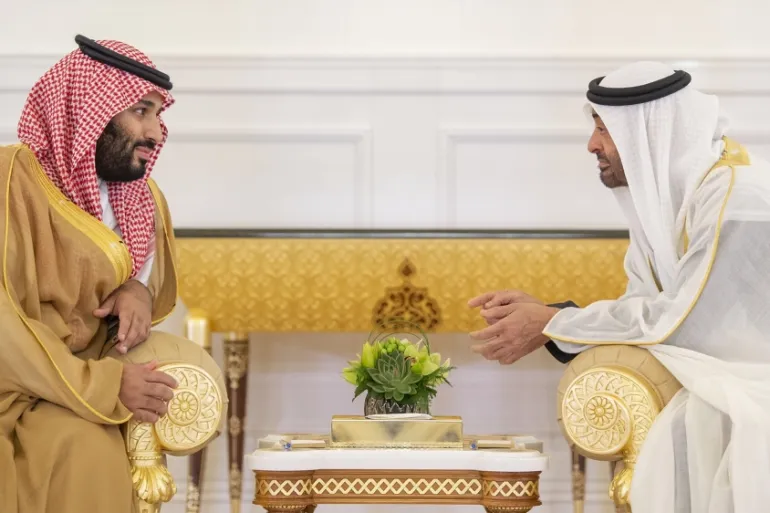
The departure also marks a definitive break with Saudi Arabia, the de facto leader of OPEC. The two countries have increasingly diverged in recent years on:
- Oil production policies (UAE has long pushed for higher quotas).
- Regional conflicts in Sudan, Yemen, and Somalia.
- Broader geopolitical alignment — with the UAE moving closer to the United States and Israel, while Saudi Arabia prefers a more balanced diplomatic approach.
What Are the Consequences of the UAE’s Exit?
The exit shakes the oil cartel. OPEC will lose one of its top producers and its ability to control global supply as effectively as before. As a result, the international oil market is expected to become more fragmented, competitive, and volatile. This is already visible in oil prices: Brent crude has shown increased swings since the announcement. Politically, Abu Dhabi is clearly prioritizing its national economic interests over collective OPEC loyalty. The move signals further fragmentation of Arab regional unity. On the global stage, the United States appears to be a quiet winner. Washington has been pressing for lower energy prices for months, and a weaker, less coordinated OPEC+ helps achieve that goal.
Conclusion
The UAE’s exit from OPEC may indeed mark the beginning of a bold new grand strategy — one that puts economic pragmatism and national sovereignty above traditional alliances. If the Strait of Hormuz reopens and the UAE successfully ramps up production toward its full capacity of nearly 5 million barrels per day, it could emerge stronger and more independent. However, this move also carries risks. A more fragmented OPEC+ may lead to greater oil price volatility, which ultimately hurts both producers and consumers. For Europe, this could translate into higher and less predictable energy prices in the coming months. Whether the UAE’s gamble pays off will depend on how quickly regional tensions ease and how other major players — especially Saudi Arabia and Russia — respond. One thing is certain: the era of unified Arab oil policy is under serious pressure, and the global energy map is being redrawn in real time.