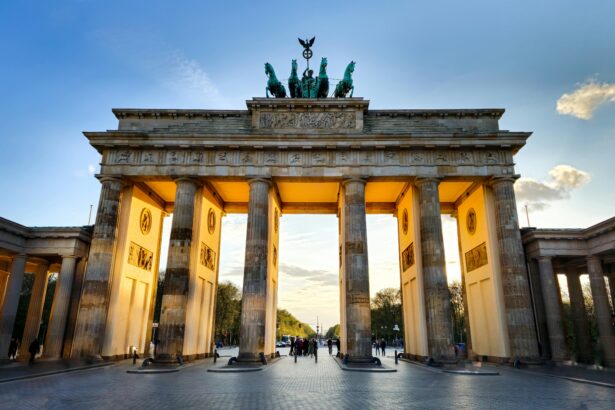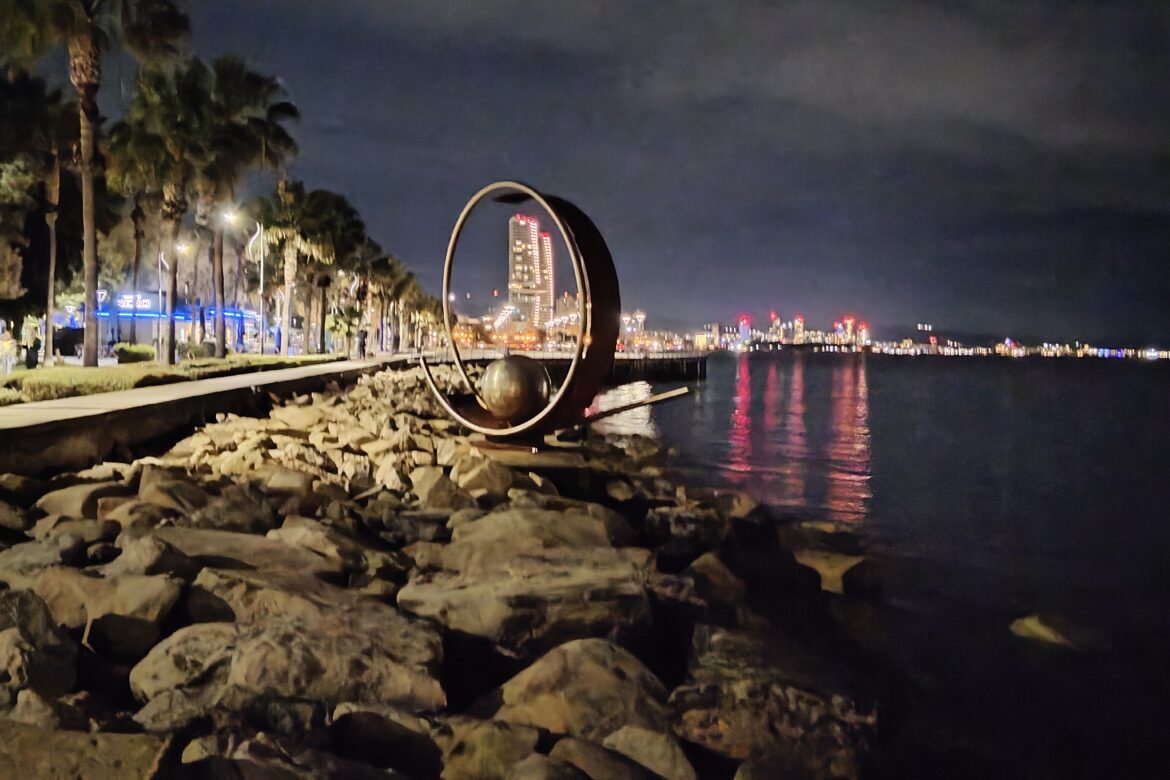
As a Greek arriving at Larnaka Airport for the first time, I was struck by a profound and immediate sense of emotion. It was the morning of the 25th of March—the anniversary of the revolution in the Peloponnese, a sacred national holiday for all Greeks.
Though this island sits on the far edge of the Hellenic world, neighbor to Syria and the Middle East, its people celebrated with a pride and fervor that mirrored my own. In that moment, the geographical distance from the mainland vanished; I felt the unmistakable warmth of a land that is as much a part of our soul as it is a bridge to the Levant.
Cyprus is a place of endless surprises, where a stunning natural landscape meets a culture forged in the crucible of history. From the myths of antiquity and the crusades of the Middle Ages to the challenges of modern times, the Cypriot spirit has remained unbroken. There is a deep, infectious love for life here—a determination to savor every moment to the maximum—that stands as a testament to the resilience of its people.
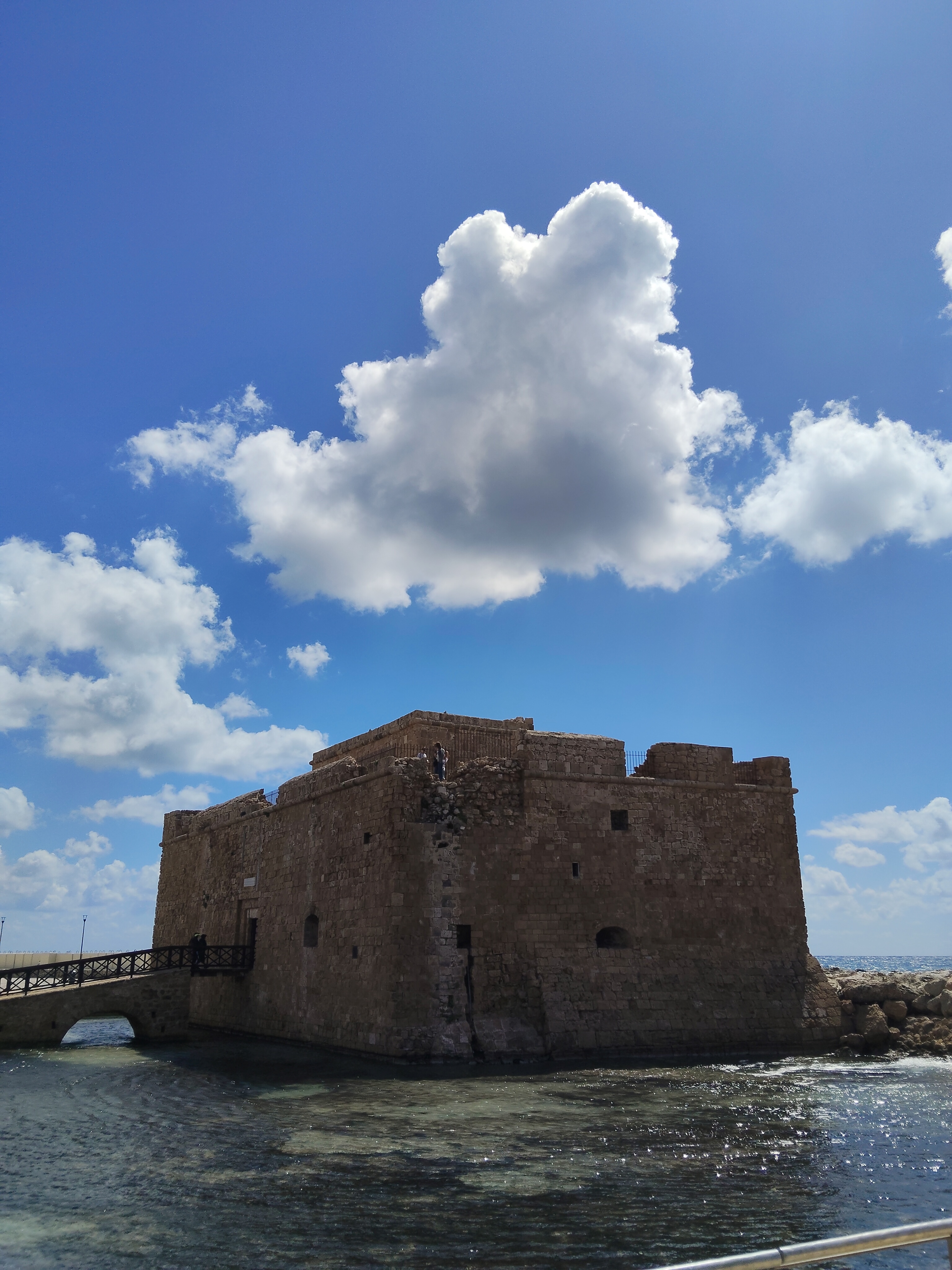
The year 1974 for all Greeks and even more the Cypriots is deeply engraved in the collective memory as its summer for the island was a catastrophe. The Republic lost nearly 40% of its territory, 70% of its productive capacity, and its crown jewels of tourism, Kyrenia and Famagusta. In the following weeks, and less than fifteen years after its independence from the United Kingdom, the island in the eyes of the average Westerner looked like a failed state—divided, destitute, and destined for permanent limbo.
Yet what followed was one of the most remarkable recoveries in modern history. From the refugee camps and the scorched earth, a new Cyprus was quietly came into international stage through sheer pragmatism and national discipline. Under the steady hands and the visionary economic stewardship of the authorities and the hard working Cypriots who surrounded them, the period between 1975 and the late 1990s is often referred to as the “Cypriot Economic Miracle“.
Cyprus turned its remaining coastline (Paphos, Limassol, Larnaka and Agia Napa) into a new tourist frontier. The republic attracted waves of international capital thanks to low taxes and political stability, and built an offshore financial services sector that would eventually make Cyprus one of the highest per-capita income economies in the Mediterranean.
The miracle was never flashy; it was rooted in education, adaptability, and the stubborn refusal of a small nation to accept victimhood as its final identity.
By the early 1980s the island had not only rebuilt its shattered economy but had begun to surpass its pre-1974 GDP levels. What the guns had taken, enterprise and resilience slowly reclaimed.By the time the 1990s arrived, Cyprus had successfully transitioned from an agrarian society to a regional hub for shipping and financial services and a sophisticated service-oriented economy setting the stage for its 2004 EU accession.
The Power of the Cyprus Pound (CYP)
A cornerstone of this success was the remarkable monetary stability of the Cyprus Pound. While the Greek Drachma endured repeated devaluations and high inflation, and the Turkish Lira collapsed into cycles of hyperinflation, the CYP stood as a symbol of strength and credibility.
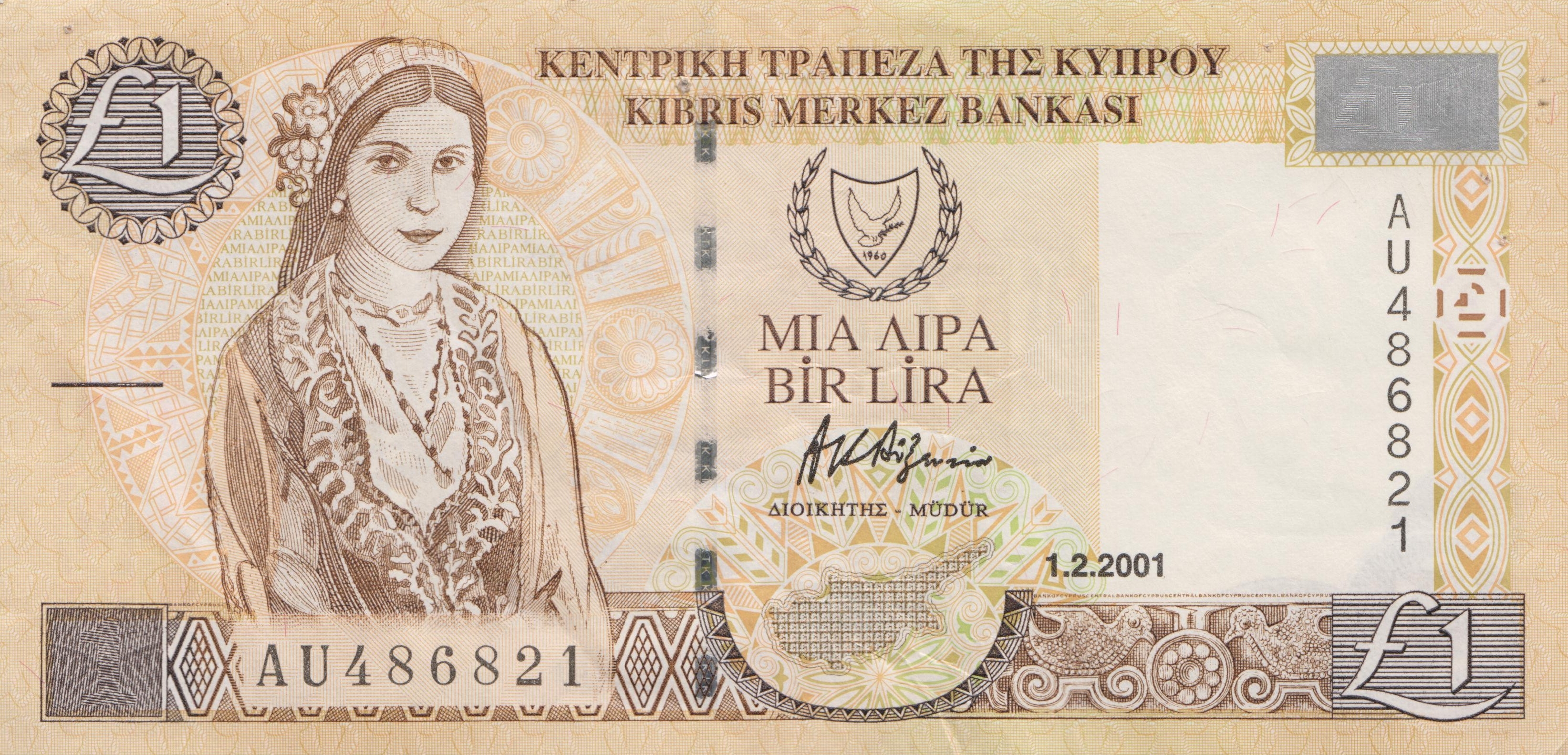
Pegged initially to a basket of currencies and later managed with conservative fiscal and monetary policies by the Central Bank of Cyprus, the pound maintained low inflation and impressive purchasing power throughout the post-1974 decades. This stability inspired confidence among foreign investors and Cypriot businesses alike, allowing the economy to attract capital and plan for the long term in ways its neighbors could not.
2004–2016: The Road to Europe and the brief Euro Crisis Odyssey
By the early 2000s, this hard-won economic maturity had positioned Cyprus as a frontrunner for EU membership. After intense negotiations and significant reforms — including alignment of its legal and financial systems with European standards — the Republic of Cyprus joined the European Union on 1 May 2004. EU accession brought new investment, enhanced credibility on the international stage, and access to the world’s largest single market. Just four years later, in January 2008, Cyprus completed its transition by adopting the euro together with Malta, replacing the trusted Cyprus Pound with the single European currency. The change was smooth, reflecting the soundness of the economy that had been built over the previous three decades. Though the global financial crisis would soon test the island, the foundations laid in the difficult years after 1974 proved resilient enough to weather the storm and carry Cyprus into a new European chapter.
When the Greek debt crisis hit in 2010 the shockwaves – due to also the overexposure to Greek sovereign debt and foreign leveraged capital – did not take long to make their appearence. The Cypriot ordeal began in the autumn of 2011 with the successive downgrades of its sovereign credit rating. By the summer of 2012, the island had formally requested entry into the European Support Mechanism, marking the beginning of one of the most painful chapters in its post-1974 history. The 2013 financial crisis was a “black swan” event, culminating in a traumatic “bail-in” where depositors took a direct hit to save the banking system.
Many predicted a lost decade others said that it was the end. Instead, Cyprus implemented rigorous reforms, exited its adjustment program in 2016—ahead of schedule—and rebuilt its reputation through fiscal discipline and a shift toward transparency. This triggered a second reinvention.
2016–2026: The Tech and Energy Pivot
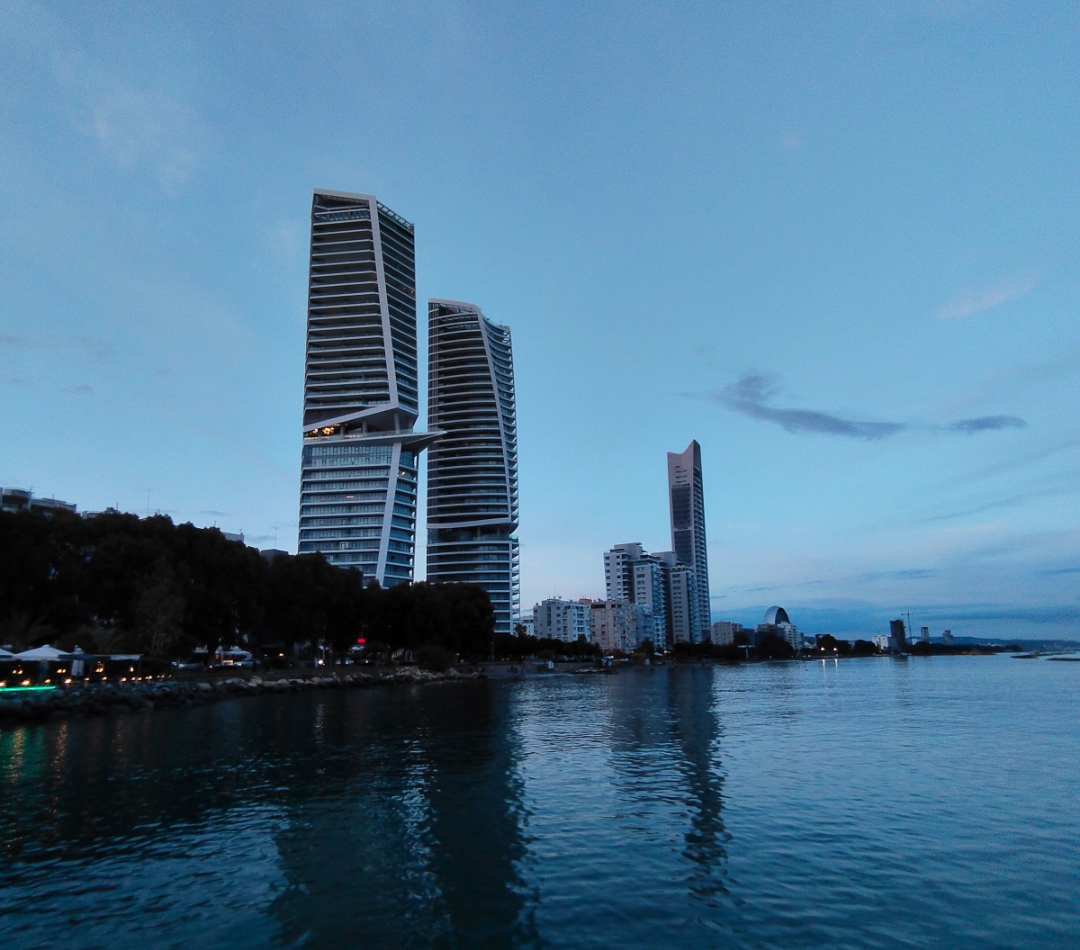
Since the mid-2010s, growth has decoupled from over-reliance on traditional banking and pivoted toward higher-value, future-oriented sectors. Cyprus has successfully rebranded itself as a “Tech Island,” using strategic headquartering policies and competitive incentives to attract global players in fintech, gaming, software development, and international business services — with Limassol emerging as a dynamic Mediterranean tech hub.
As a matter of fact, the government has aggressively courted the ICT sector with some of the Eurozone’s most attractive incentives. Cyprus offers a competitive corporate tax rate (now 15% following OECD alignment, previously 12.5%), an Intellectual Property Box regime ( IP Box) delivering an effective tax rate as low as ~3% on qualifying profits from intangible assets (like software, patents & various IP legally protected assets). Furthermore Cyprus runs succesfully a Non-Dom status providing 17-year exemptions on dividend and interest income for new tax residents, and fast-track headquartering programmes. These tools have enabled Cyprus to compete effectively with established hubs like Ireland and Malta, drawing high-value companies and talent.
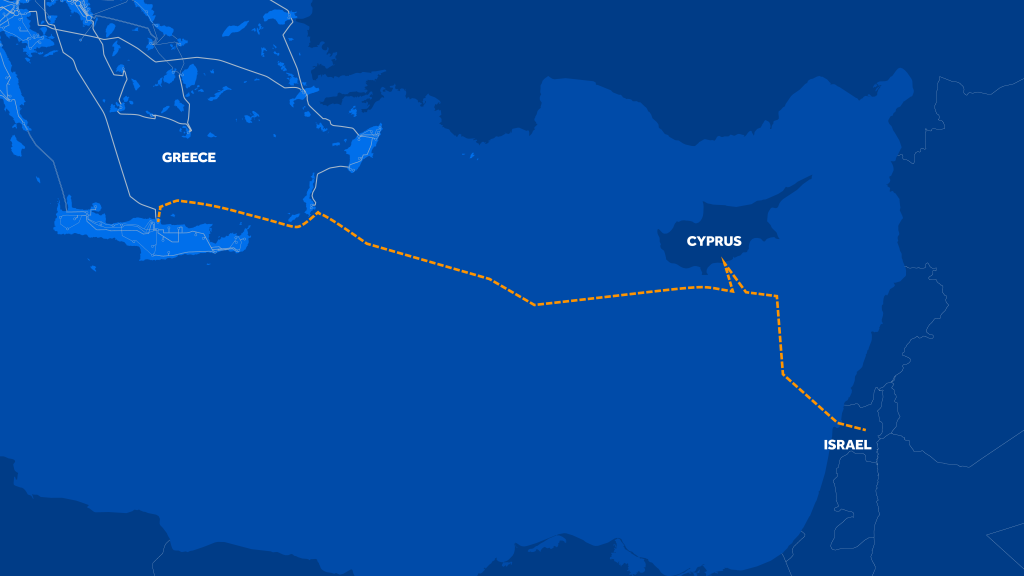
Today, Cyprus’s competitive edge lies in its ability to transform geographic position and historical challenges into strategic advantages. While it remains the only EU member state not yet physically connected to the European electricity grid, this very isolation has accelerated ambitious projects for energy independence and regional integration. The discovery of significant offshore natural gas reserves in its Exclusive Economic Zone has positioned Cyprus as an emerging Mediterranean energy player.
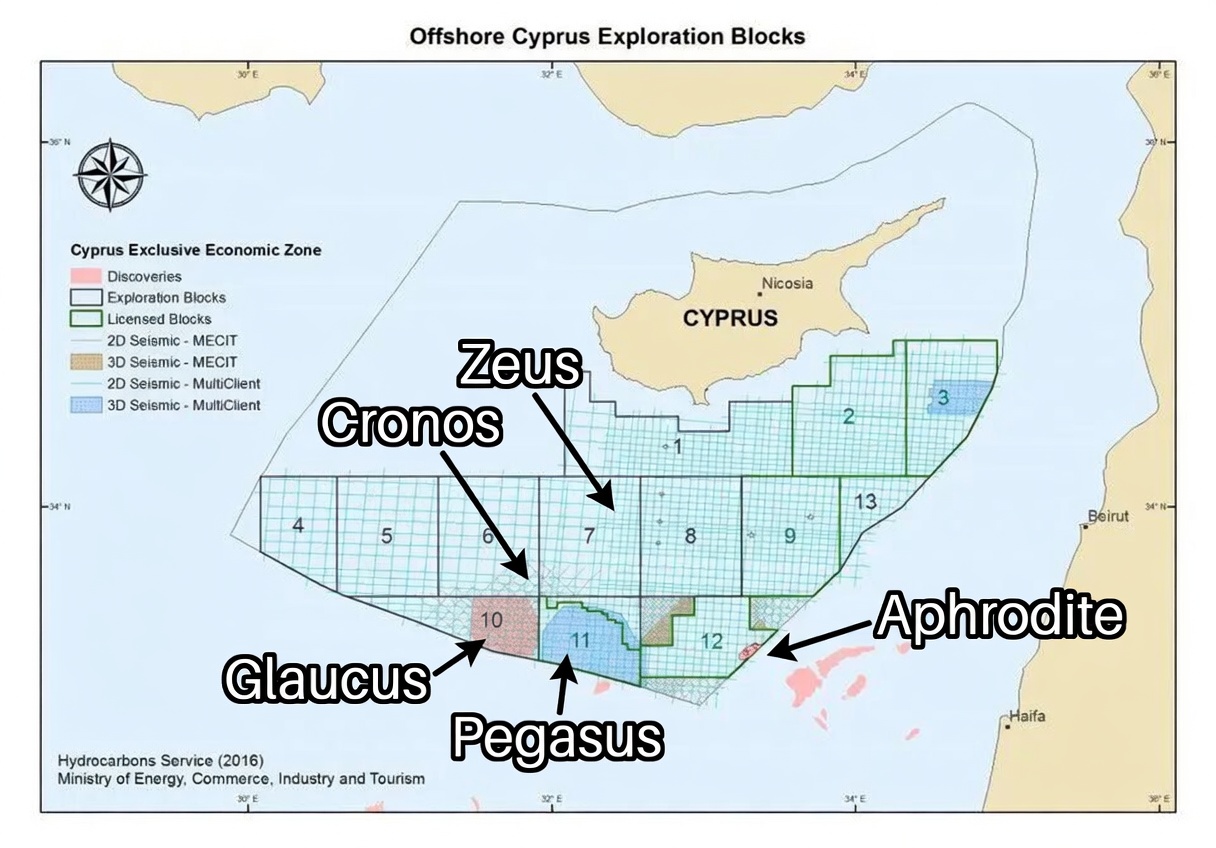
Key fields include Aphrodite (Block 12, operated by Chevron and partners, with reserves estimated at around 100–160 bcm), Cronos (Block 6, Eni/TotalEnergies, ~90 bcm — the most advanced, targeting first production potentially in 2027–2028 via exports to Egypt), and promising finds such as Glaucus and Pegasus (Block 10, ExxonMobil/QatarEnergy). These resources, combined with infrastructure initiatives like the Great Sea Interconnector (linking the grids of Greece, Cyprus, and Israel), are gradually transforming the island from an energy “orphan” into a regional energy broker and contributor to Europe’s diversification away from Russian gas.
Economic Landscape: Cyprus, Greece, and Turkey (2026–2030 Forecast)
The table below reflects current figures and the projected trajectory for 2030. While Turkey has the scale and Greece has the historical weight, Cyprus is projected to maintain a significant lead in individual wealth and fiscal stability.
| Metric | Cyprus | Greece | Turkey |
|---|---|---|---|
| Nominal GDP (2026) | ~$45 Billion | ~$307 Billion | ~$1.64 Trillion |
| GDP per Capita (2026) | ~$45,400 | ~$29,700 | ~$19,000 |
| Projected GDP per Capita (2030) | ~$54,500 | ~$36,000 | ~$24,000 |
| Projected Real GDP Growth (2030) | ~3.0% | ~1.8% | ~3.2% |
| Corporate Tax Rate (2026/30) | 15% | 22% | 25% |
| Dividend Tax (Non-Doms) | 0% | 5% | 10% |
| Unemployment Rate (2030 Forecast) | ~4.9% | ~7.2% | ~8.1% |
Resilient Real Estate
Unlike many stagnant or volatile property markets across the Eastern Mediterranean and beyond, Cyprus’s real estate sector has demonstrated remarkable sustained strength and resilience throughout the 2020s. After the 2013 banking crisis, the market not only recovered but entered a new growth cycle, recording historic highs in 2025 with total transaction values reaching €6.5 billion — an 8% increase from the previous year — and over 37,000 property deals, the highest level in more than a decade.This momentum has been driven by a powerful combination of factors. High-net-worth individuals, tech executives, digital nomads, and relocating families have flocked to the island, attracted by its tax advantages, Mediterranean lifestyle, and EU membership. The Permanent Residency by Investment programme (commonly known as the Cyprus Golden Visa), which requires a minimum €300,000 real estate investment, continues to draw significant interest from non-EU nationals, particularly from Europe, the Middle East (Lebanon, Israel), and Russia. Foreign buyers accounted for 28% of all transactions in 2025, marking a 16% year-on-year increase, with coastal districts such as Paphos, Larnaca, and Limassol proving especially popular.
Price growth has remained healthy yet measured: residential property prices rose by approximately 5–7% annually in 2025, with apartments (the fastest-growing segment) posting even stronger gains of up to 9–10% in prime areas. In Limassol, prime coastal apartments command €3,500–€6,500 per m² (and significantly higher for luxury seafront developments), while Paphos and Larnaca offer strong value with rising demand. Rental yields remain attractive, particularly for modern properties in urban and tourist hubs.
What sets Cyprus apart is the quality and stability of this growth. Unlike overheated markets that later corrected sharply, the island’s real estate expansion is underpinned by genuine economic diversification, strategic infrastructure projects, and consistent foreign capital inflows. This has created a virtuous cycle: rising international interest supports prices and development, which in turn enhances the island’s appeal as a long-term relocation and investment destination. In short, Cyprus real estate has evolved from a post-crisis recovery story into a mature, resilient asset class that continues to reward patience and strategic investment.
Comparative Landscape: Cyprus vs. The Mediterranean Elite (2026)
| Metric | Cyprus | Greece | Malta | Portugal |
|---|---|---|---|---|
| Corp. Tax Rate | 15% | 22% | 35% (up to 30% refund) | 21% |
| Dividend Tax (Non-Dom) | 0% | 5% | 0% | 28% (variable) |
| Human Dev. Index (HDI) | 0.913 | 0.893 | 0.924 | 0.890 |
| Safety Index (out of 100) | 76.4 | 77.1 | 76.9 | 81.6 |
| Health Care Index | 72.4 | 56.5 | 70.1 | 71.5 |
| Personal Tax-Free Band | €22,000 | €8,636 | €9,100 | €7,479 |
| Nomad Income Req. | €3,500/mo | €3,500/mo | €3,500/mo | €3,680/mo |
| Crime Level | Very Low | Moderate | Moderate | Very Low |
This multifaceted pivot — blending technological ambition, energy potential, fiscal prudence, and targeted incentives — has once again proven the resilience of the Cypriot model. From the catastrophe of 1974 through the trials of 2013 and into the 2020s, Cyprus continues to demonstrate that adaptability and strategic vision remain its most enduring national strengths.
Vision 2035: The Sustainable Frontier
As Cyprus looks toward the next decade, its trajectory suggests that the “geoeconomic giant” is only just beginning to flex its muscles. The way forward is no longer defined by mere survival, but by a bold leadership in the Mediterranean’s green and digital evolution. By 2030, the island aims to reach a 31% renewable energy target, leveraging one of the highest solar potentials in Europe to transition from a fossil-fuel importer to a clean-energy exporter via the Great Sea Interconnector. Simultaneously, the 2026 introduction of a flat 8% tax on crypto gains has signaled a new era for the “Tech Island,” positioning it as the primary EU gateway for Web3 and decentralized finance.
Underpinning this entire transformation is Cyprus’s emergence as a regional educational hub. With Nicosia and Limassol drawing thousands of international students, the island is securing a self-sustaining “talent pipeline” that feeds its burgeoning ICT and energy sectors. By 2035, the combination of energy independence, fiscal agility, and a high-skilled workforce will likely see Cyprus transition from a “safe harbor” to a dominant regional command center, proving once and for all that strategic vision can overcome any geographical isolation.